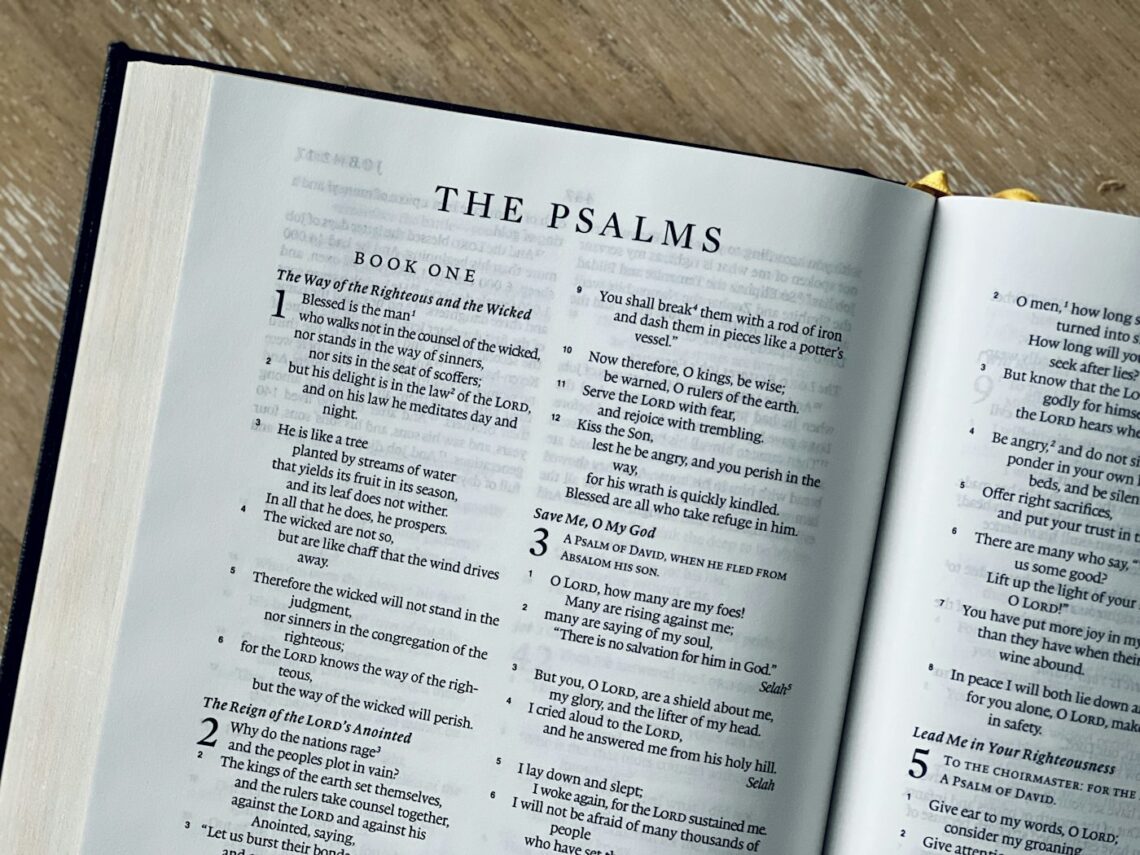
Psalm 51 is King David’s prayer of confession after he sinned with Bathsheba and was confronted by the prophet Nathan.
Its core message is that God doesn’t want empty rituals — He wants a broken, honest heart. It’s one of the clearest pictures in the Bible of what real repentance looks like: no excuses, no hiding, just honesty with God and trust in His mercy.
The Story Behind the Psalm

To understand Psalm 51, you need to know what David had just done. He committed adultery with Bathsheba, then tried to cover it up, and eventually arranged for her husband to be killed in battle to hide the affair (2 Samuel 11).
It’s one of the darkest moments in David’s life — not a small slip-up, but a serious pattern of sin.
Then the prophet Nathan confronted him directly, telling a story that exposed David’s own guilt without David realizing it at first (2 Samuel 12). The moment David understood what he’d done, he didn’t argue or make excuses. He wrote Psalm 51.
That context matters, because this isn’t a psalm about feeling a little guilty over something small. It’s what real, deep repentance sounds like when someone has genuinely messed up — which makes it incredibly relatable, because everyone has a version of that moment.
The Core Message: God Wants Your Heart, Not a Performance
The most important verses in the whole psalm are these:
“For You do not desire sacrifice, or else I would give it; You do not delight in burnt offering. The sacrifices of God are a broken spirit, a broken and a contrite heart — these, O God, You will not despise.” (Psalm 51:16-17)
In David’s time, people offered animal sacrifices as part of worship and repentance. David is saying something radical here: God isn’t impressed by going through religious motions. What He actually wants is honesty — a heart that’s genuinely sorry, not just following a ritual to feel better or look better.
This is the heartbeat of the whole psalm. It’s not about doing enough good things to cancel out the bad. It’s about coming to God with nothing to hide behind.
Breaking Down the Psalm Section by Section
Verses 1-2: Starting With God’s Character, Not Your Own Effort
David doesn’t open by trying to explain himself or minimize what he did. He opens with God’s mercy:
“Have mercy upon me, O God, according to Your lovingkindness; according to the multitude of Your tender mercies, blot out my transgressions.”
This is a huge lesson for anyone learning to pray after messing up: start with who God is, not with how bad you feel. His mercy is the foundation, not your performance.
Verses 3-6: Full Honesty, No Excuses
“For I acknowledge my transgressions, and my sin is always before me… Against You, You only, have I sinned.”
David doesn’t blame Bathsheba, doesn’t blame the pressure of being king, doesn’t soften what happened. He owns it completely. This is what real confession looks like — not “I’m sorry if I hurt anyone,” but “here’s exactly what I did, and it was wrong.”
Verses 7-12: Asking for Real Change, Not Just Forgiveness
“Create in me a clean heart, O God, and renew a steadfast spirit within me.”
This part is huge. David doesn’t just ask to be let off the hook — he asks to actually be changed. He wants a new heart, not just a clean record. He also asks God not to take His presence away (verse 11) and to restore the joy he’d lost (verse 12) — because sin doesn’t just break rules, it breaks your peace and your closeness with God.
Verses 13-17: Repentance Leads to Purpose
“Then I will teach transgressors Your ways, and sinners shall be converted to You.”
Something powerful happens here — David’s lowest moment becomes something he wants to use to help others. He’s not staying stuck in shame; he’s saying that once he’s restored, he wants to use his story to point other people back to God.
Verses 18-19: Zooming Out
The psalm ends by widening from David’s personal situation to prayer for the whole community — a reminder that our relationship with God was never meant to be only about “me.”
Why Psalm 51 Still Matters for You Today

You don’t have to have done something as extreme as David’s story to relate to this psalm. Everyone knows what it feels like to mess up, to feel the weight of guilt, and to wonder if they can even come back to God after it.
Psalm 51 says yes — not because you deserve it, but because of who God is. A few key takeaways:
- You don’t need to clean yourself up before coming to God. David came exactly as he was — guilty and honest.
- Real repentance is specific, not vague. “I acknowledge my transgressions” — David named it directly instead of glossing over it.
- God cares more about your heart than your performance. Going through religious motions without honesty means nothing to Him.
- Restoration is possible. David didn’t just get forgiveness — he got his joy, his purpose, and his closeness with God back.
- Your lowest moment doesn’t have to be your final chapter. David’s failure became part of his testimony, not the end of his story.
How to Pray Psalm 51 for Yourself
If you’re carrying guilt over something right now, try praying through Psalm 51 in your own words:
- Start by remembering who God is — merciful, patient, kind — before you even mention what you did.
- Be specific about what you’re sorry for. Don’t rush past it or generalize it.
- Ask God to actually change something in you, not just to forgive and forget.
- Ask Him to restore your joy, not just your “record.”
- Thank Him that your story isn’t over.
FAQ
What sin was David confessing in Psalm 51? David wrote this psalm after committing adultery with Bathsheba and arranging the death of her husband, Uriah, following his confrontation by the prophet Nathan.
What is the main message of Psalm 51? That God values genuine repentance and a humble, honest heart far more than religious ritual or performance — and that real forgiveness leads to real restoration.
What does “create in me a clean heart” mean? David isn’t just asking to feel less guilty — he’s asking God to actually transform him from the inside, not just clean up his outward behavior.
Can Psalm 51 help me if I’m struggling with guilt right now? Yes. It’s one of the most honest examples in Scripture of bringing real failure straight to God instead of hiding it, and it shows that confession leads to restoration, not rejection.
The Bottom Line
Psalm 51 isn’t just an ancient poem about one king’s mistake — it’s a roadmap for what to do the next time you fail. Come honestly. Don’t perform. Ask for real change, not just forgiveness. And trust that your story isn’t disqualified just because of your worst moment.